Internet highlights – w/c 1st March 2026
7 03 2026Comments : Leave a Comment »
Categories : The Best of the Internet
Internet highlights – w/c 22nd February 2026
28 02 2026Comments : Leave a Comment »
Categories : The Best of the Internet
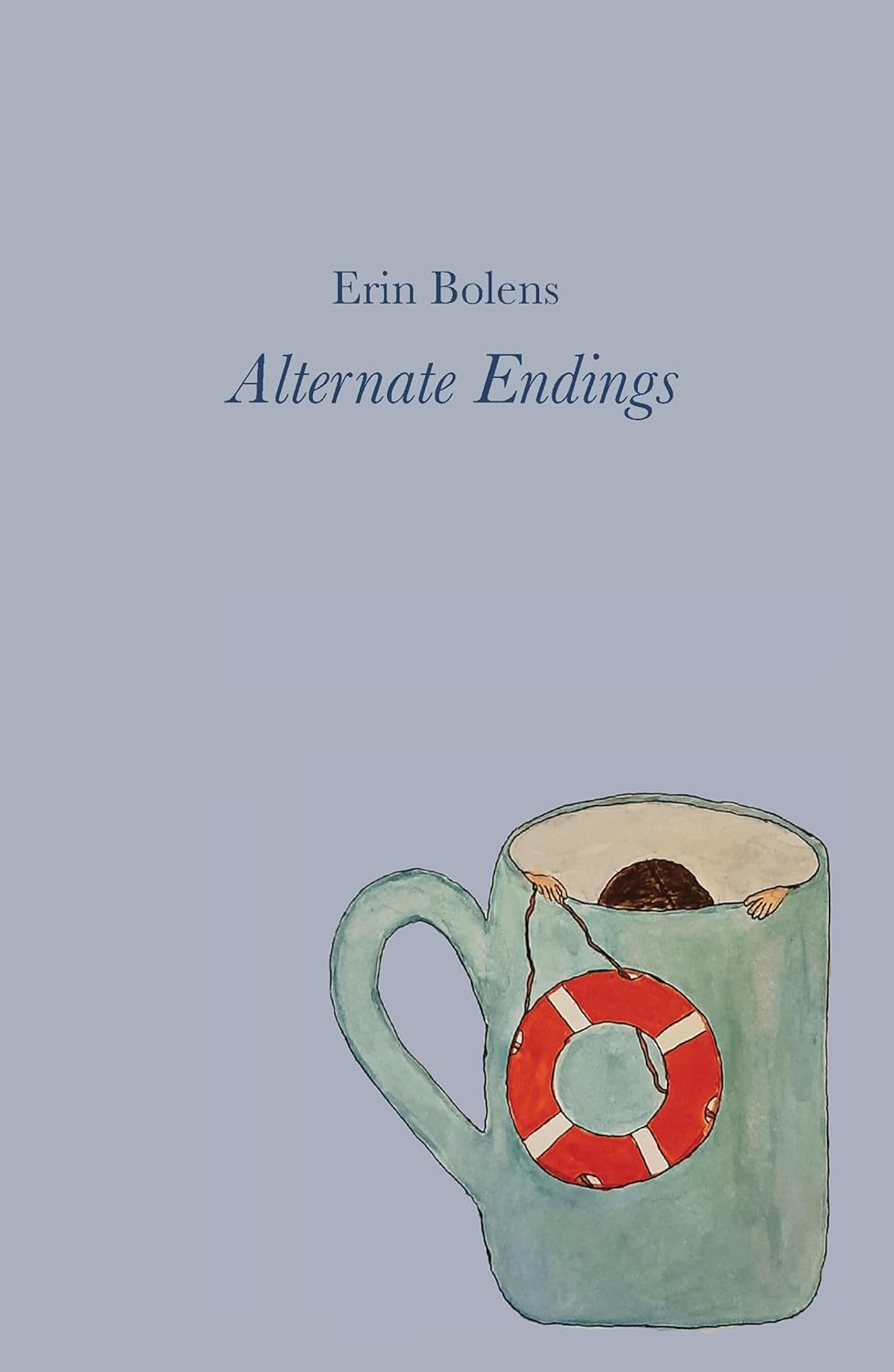
Alternate Endings – by Erin Bolens
24 02 2026As part of my Harry Baker binge last year, I went to see one of his Christmas shows in Leeds, at which Erin performed. She shared some of her Worry Doll poems, which were just so so funny, I had to buy her book as it contained nine of them!
As far as the rest of the book went, it was more what I think of when I think of poetry, that is, a bit too clever for me. There were a few I enjoyed, but really I just loved the Worry Doll ones, and it was worth it for them alone.
I enjoyed ‘River’, which pointed out we’ll have a picnic on the side of a river but not a motorway, nor will we get a round trip in a taxi for fun.
The Worry Doll poems cover all sorts of things, from what to wear to the doctors, to how much effort to put into your appearance for the postman, but my favourite was Worry Doll II, on the theme of feminine hygiene and the environment!
I’m never sure if it’s ok to re-type out a whole poem, below I’ve typed out the first half, but very happy to remove if requested.
Worry Doll II
I worry about my effects on the environment. I decide to stop using tampons and pads. I Google menstruation cups. That’s a minefield. There are different sizes. And shapes. I don’t know what size or shape my vagina is. I’ve never really seen it that way; no one has ever told me. It appears important to know how high your cervix is. I’m not entirely positive I’m 100% sure which bit the cervix is. I worry I don’t know enough about my vagina. I worry my lack of knowledge about my vagina is impacting negatively on the environment.
[…]
Comments : Leave a Comment »
Tags: book review, book reviews, erin bolens, poetry
Categories : Books I've Read
Internet highlights – w/c 15th February 2026
21 02 2026Comments : Leave a Comment »
Categories : The Best of the Internet
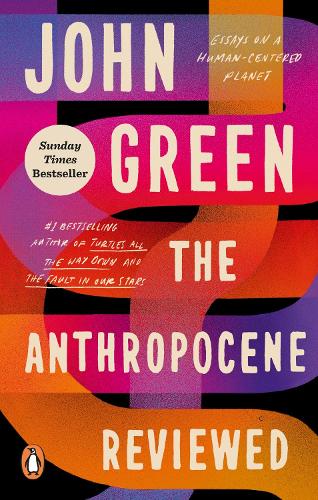
The Anthropocene Reviewed – by John Green
21 02 2026Several years ago I worked my way through John Green’s fiction writings, then more recently I was recommended his podcast and youtube channel, both run with his brother, also author, Hank Green. I’ve enjoyed their chatter, and when I heard about this book I thought it’d be an interesting read, very different from his other stuff.
Let’s start with a definition, the Anthropocene is a proposed term for the current era of Earth’s history. This book comes out of a podcast of the same title, and is a set of essays which are all fundamentally reviews of different things, as Green used to write book reviews for a living before he became an author.
Some chapters were more serious than others, I think I’d assumed the whole book would be a bit more tongue in cheek, which is maybe why I didn’t give it as high a rating as I expected to. I learnt about some really interesting things, such as the Lascaux cave paintings, and the Champion’s League final 2005. There were also chapters on Diet Dr Pepper, Scratch’n’Sniff stickers, and the world’s largest ball of paint.
My paperback edition had a couple of extra bonus essays at the back, one of which felt very much like it was repeating an earlier story he shared, but who knows if it was just something I’d recently heard elsewhere as it wasn’t personal to him!
Of course, there were quotes to repeat:
- “Never predict the end of the world. You’re almost certain to be wrong, and if you’re right, no one will be around to congratulate you.”
- “Humans are already an ecological catastrophe […] for many forms of life, humanity is the apocalypse.”
- “It’s no coincidence that the scientific revolution in Britain coincided with the rise of British participation in the Atlantic slave trade and the growing wealth being extracted from colonies and enslaved labour.”
- [Discussing how we can’t look directly at the sun] “In the Book of Exodus, God says, ‘You cannot see my face, for no one may see me and live.’ No wonder that Christian writers have for centuries been punning on Jesus as being both Son and Sun.”
- “Colour is a fiction of light.” – Tacita Dean
- “What’s news isn’t primarily what is noteworthy or important, but what is new.”
- “It’s been my experience that almost everything easy to mock turns out to be interesting if you pay closer attention.”
- “Cholera continues to spread and kill not because we lack the tools to understand or treat the disease as we did two hundred years ago, but because each day, as a human community, we decide not to prioritize the health of people living in poverty. Like tuberculosis, malaria, and many other infectious diseases, cholera is only successful in the twenty-first century because the rich world doesn’t feel threatened by it. As Tina Rosenberg has written, “Probably the worst thing that ever happened to malaria in poor nations was its eradication in rich ones.”
- “Even the most extraordinary genius can accomplish very little alone.”
- “Almost everything turns out to be interesting if you pay the right kind of attention to it.”
Comments : Leave a Comment »
Tags: book review, book reviews, essays, john green, non fiction
Categories : Books I've Read
Internet highlights – w/c 8th February 2026
14 02 2026Comments : Leave a Comment »
Categories : The Best of the Internet
Internet highlights – w/c 1st February 2026
7 02 2026Comments : Leave a Comment »
Categories : The Best of the Internet
Internet highlights – w/c 25th January 2026
31 01 2026Comments : Leave a Comment »
Categories : The Best of the Internet
Internet highlights – w/c 18th January 2026
24 01 2026Apologies in advance for the amount of [anti] Trump content this week – it’s been quite a week!
Comments : Leave a Comment »
Categories : The Best of the Internet
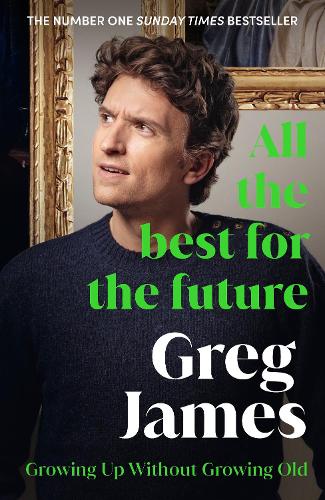
All the Best for the Future – by Greg James
22 01 2026I wanted to love this, and it wasn’t awful, but it maybe wasn’t quite as fun as I was hoping for. It definitely had it’s moments, don’t get me wrong, but maybe a bit more earnest/preachy stuff than I expected. Overall I enjoyed it, I maybe just went into it with too high expectations.
The best bits for me were:
- When he listed his (many) nemeses including Alan Sugar, people who say holibobs, and the Nissan Qashqai (and there’s space in the back for you to do the same)
- When his wife Bella lists boring things he does and he tries to defend them.
- His recounting in the last chapter of his meeting with Paul Chuckle and his wife. The warmth and affection he spoke of him with was just lovely.
What I didn’t enjoy was his attitude towards Christians and Christianity. Granted he did talk about respecting what people believe in one sentence, but in the next said it was bats**t crazy. Not great. There were a couple of other similarly insulting references in the book too.
But if I just let them go over my head, then the book was worth a read once, it just might end up in Oxfam rather than my bookcase.
And as per usual, some quotes:
- “Growing is largely seen as a good thing. I suppose it is. Trees growing big and strong is nice. Same with people. But I know loads of happy short people. I’ve also seen loads of happy tiny trees. Conversely, ‘growing’ is bad if it’s Japanese knotweed. Or verrucas.” (though he later says it’s crucial to grow as a person, so who knows)
- “A lunchtime bath or a dinner bath are also good. I’ve been known to Deliveroo a pad thai to coincide with the bubbles reaching their optimum altitude. Normalise the pad thai bubble bath please. If you don’t have a bath, earnestly ask a friend who does have one if you can use it for the day. Their reaction alone will be worth it.”
- “I can’t believe that there’s an ACTUAL ANIMAL in my house: a weird creature that can’t talk and is just living with us as if it’s the most normal thing.”
Comments : Leave a Comment »
Tags: book review, book reviews, greg james, non fiction
Categories : Books I've Read
 ineke.co.uk